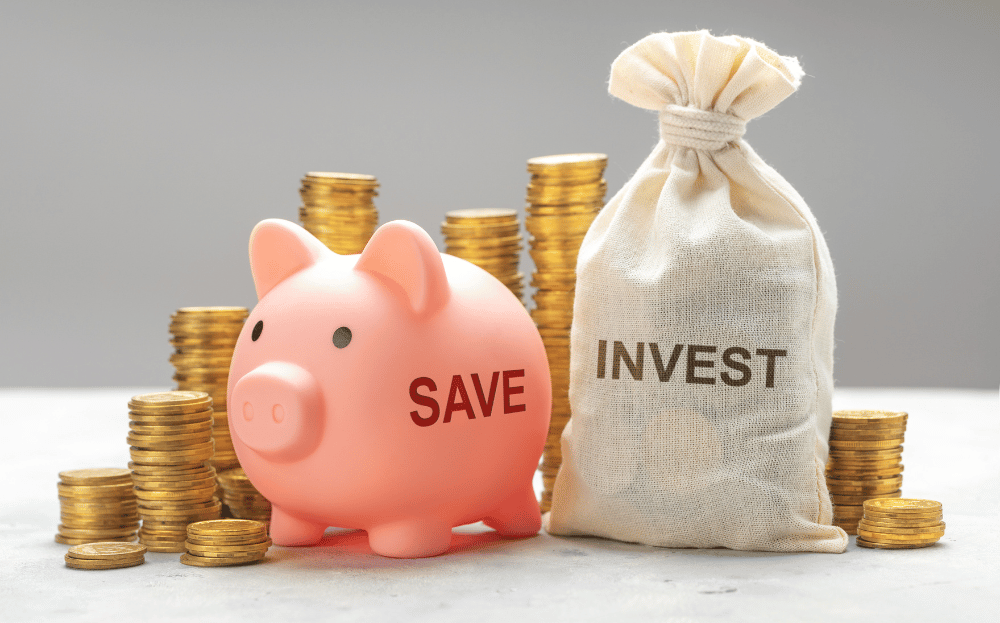

How to Build a Global Portfolio in 2026
Entering 2026, the global economy is no longer just for the wealthy. With inflation beginning to cool across many international markets (averaging around 3.5%), the focus for mid-tier and low-income earners has shifted from “saving for a rainy day” to “investing for a sunny future.”
1. Micro-Investing: The End of the “Minimum Balance”
In 2026, the $1,000 entry barrier is dead. Global fintech platforms now allow you to buy fractional assets. Whether it’s a tiny slice of a tech giant or a fraction of a commercial property in an emerging market, you can start with the equivalent of $5 or €5.
- The Move: Automate “spare change” round-ups. If you buy a coffee for $3.20, your app rounds it to $4.00 and invests that $0.80. It feels invisible but builds a habit.
2. The Simple Math of Growth (The Easy Way)
You don’t need a complex calculator to see your future. Instead of a difficult formula, use the “Power of 10” rule.
If you can find a way to save just $10 a week and put it into a diversified global fund (which historically grows at about 7-10% a year), look at how it stacks up without any hard math:
| Time Period | Total Saved (The “Hard” Way) | With Growth (The “Smart” Way) |
| 1 Year | $520 | ~$540 |
| 5 Years | $2,600 | ~$3,100 |
| 10 Years | $5,200 | ~$7,500 |
Simple Logic: Your money makes “babies,” and then those babies make babies. The earlier you start, the more “generations” of growth you get.
3. High-Yield “Safe Zones”
Don’t let your money sleep in a basic checking account. In 2026, High-Yield Savings Accounts (HYSA) and Digital Money Market Funds are accessible globally.
- The Goal: Move your “Emergency Fund” (even if it’s just $500) into an account that pays at least 4% interest. This ensures your money grows faster than the cost of bread and milk.
Key Takeaway: You don’t need a high income to be an investor; you just need a high level of consistency.